We have seen a heat exchanger retubed with 304 fail in less than one monsoon season because the cooling water chloride level was treated as a footnote instead of a design input. The tube sheet was sound, the fabrication was clean, and the pressure rating was correct. The mistake was material selection. For process engineers, choosing the right heat exchanger tubes is rarely about catalog preference; it is about matching corrosion resistance, temperature capability, fabrication behavior, and lifecycle cost to the actual service envelope.
SS 304, 316L, 321 and Duplex 2205 all have legitimate places in shell-and-tube service, but they are not interchangeable. In our experience, the best decisions come from reading the process data sheet with a corrosion engineer’s eye: chlorides, pH, oxygen content, fouling tendency, shutdown frequency, design temperature, cleaning method, and whether the tubes will be expanded, seal welded, or both.
Heat exchanger tubes selection starts with service chemistry, not price per kilogram
Buyers often compare tube prices before they compare failure modes. That is backwards. For heat exchanger tubes, the first screen should be the process-side and cooling-side chemistry. Fresh water, demineralized condensate, low-chloride organics and non-oxidizing media may suit ASTM A213 TP304 or TP304L. Once chlorides rise, especially with oxygen present and stagnant zones at baffles or tube supports, pitting and crevice corrosion become the governing risks. In those cases, ASTM A213 TP316L or UNS S32205/S31803 Duplex 2205 usually deserves immediate consideration.
Temperature is the second screen. If metal temperatures move into the sensitization range during operation or shutdown cycling, stabilized grades matter. ASTM A213 TP321, with titanium stabilization, is widely used where elevated temperature exposure can make 304 or 316L vulnerable to intergranular attack after welding or prolonged service. Pressure also matters. Duplex 2205 offers substantially higher yield strength than austenitic grades, which can support thinner walls in some designs, subject to TEMA rules, code calculations and vibration checks.
A practical way to start screening grades is to review these points before finalizing the tube material:
We've shipped to over 50 countries, and the recurring question is exactly this.
- Chloride level and oxygen content: especially on the cooling-water side, including upset conditions and concentration during shutdown.
- Design and operating temperature: not just bulk fluid temperature, but estimated tube wall temperature and thermal cycling frequency.
- Process-side contaminants: sulfur species, chlorides, caustic carryover, ammonia, organic acids and solids that can create under-deposit attack.
- Fabrication route: seamless or welded, U-bend requirement, expansion into tube sheet, post-bend heat treatment and NDE expectations.
- Maintenance philosophy: mechanical cleaning, chemical cleaning, hydrotesting medium and expected inspection intervals.
SS 304 and 316L: where standard austenitic grades still make excellent economic sense
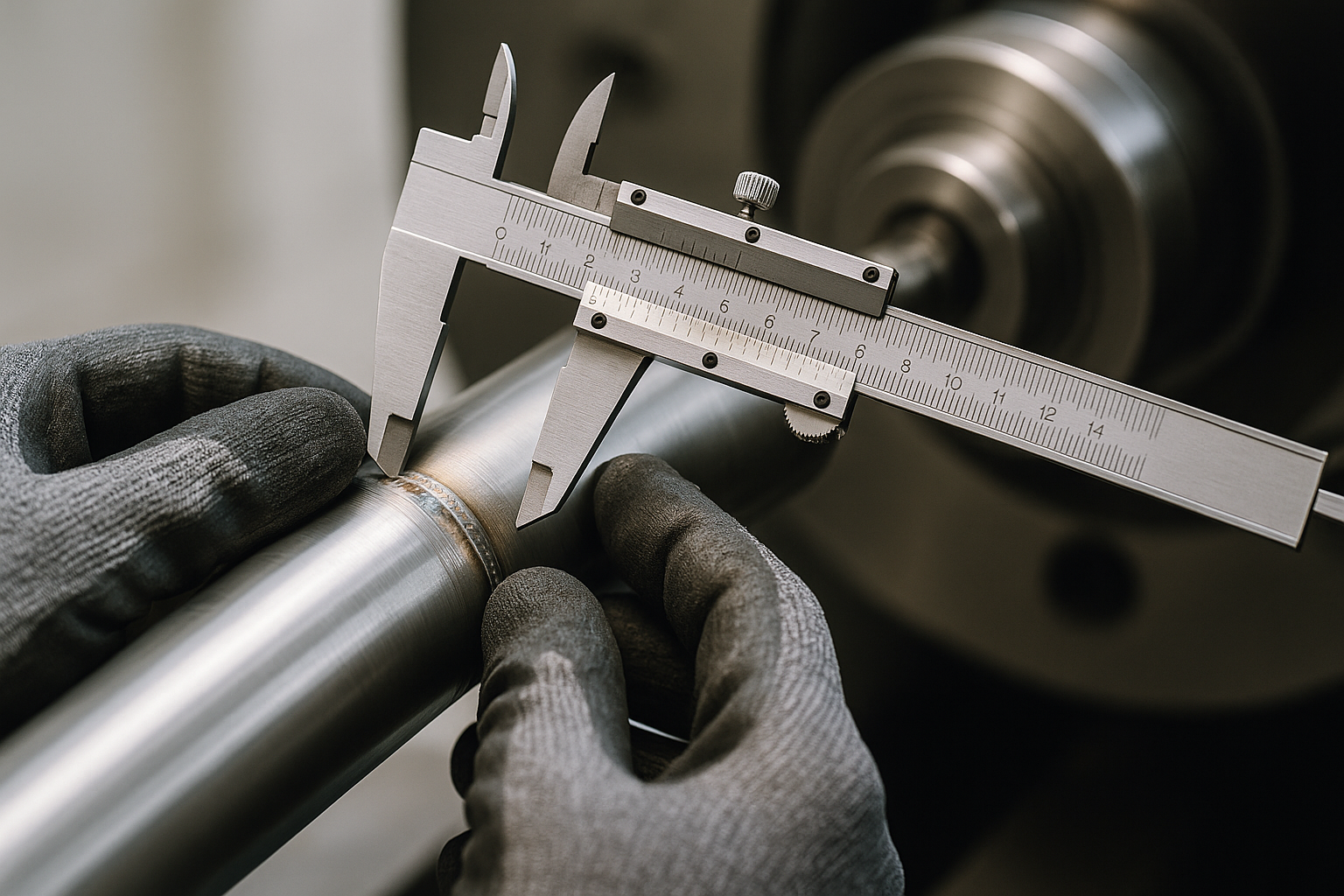
ASTM A213 TP304/304L remains a sound, economical choice for many clean services. We commonly recommend it for low-chloride cooling water, clean condensate, low-corrosivity chemical streams, and utility exchangers where metal temperatures are moderate and cleaning practices are controlled. It offers good formability, reliable weldability, and broad market availability in common exchanger sizes such as 12.7 mm, 15.88 mm, 19.05 mm and 25.4 mm OD with wall thicknesses from 0.89 mm upward. For many indoor process units with treated water and no chloride excursions, 304 is still the right answer.
Its limitation is well known: chloride resistance. In real plant service, 304 can pit surprisingly fast if water treatment drifts, dead legs form, or deposits create local concentration cells. That is where ASTM A213 TP316L earns its premium. The molybdenum addition improves resistance to pitting and crevice corrosion, making 316L the default upgrade for brackish water, coastal installations, mildly aggressive process streams and exchangers exposed to chloride-bearing wash water. The low-carbon L grade also reduces the risk of weld sensitization, which is useful for tube-to-tubesheet welding and fabricated bundles.
Process engineers should still be careful not to overestimate 316L. It is better than 304 in chlorides, but it is not a seawater miracle alloy. Warm, aerated seawater or splash-zone contamination can still defeat 316L, particularly under deposits or at support plates. If the data sheet shows sustained high chlorides, intermittent stagnation, or a history of pitting in 316L piping, moving directly to Duplex 2205 is usually more defensible than hoping better housekeeping will solve a materials problem.
SS 321 earns its place when temperature exposure and sensitization risk drive the decision
ASTM A213 TP321 is not simply “304 for higher temperature.” Its value is in titanium stabilization, which ties up carbon and reduces chromium carbide precipitation during exposure in the sensitization range. In practical terms, that makes 321 a strong candidate for heat exchanger tubes in refinery, petrochemical and thermal service where elevated temperatures, shutdown cycling and welding can combine to create intergranular corrosion risk in unstabilized grades. We often see 321 specified for superheaters, reheaters, hot gas service and exchanger duty connected to furnace or reactor systems.
The upper service temperature depends on the exact duty, atmosphere and stress level, but 321 is routinely chosen where 304L may not give enough comfort against long-term exposure. It also retains good fabrication characteristics for U-bending and bundle assembly when processed correctly. However, engineers should not treat 321 as a universal upgrade over 316L. If the dominant threat is chloride pitting at moderate temperature, 321 does not solve that problem. Stabilization addresses sensitization; it does not replace molybdenum or duplex microstructure for chloride resistance.
Customers from the Gulf typically ask about this before placing their first PO.
Specification discipline matters with 321. Require the applicable ASTM or ASME designation, dimensional tolerances, heat treatment condition, hydrotest or eddy current testing, and any customer-specific PMI or ferrite restrictions. For exchanger bundles, we also advise checking whether the fabricator has experience with bend radii, surface finish and tube support interactions for the chosen grade. Good metallurgy can still be undermined by poor shop practice.
Duplex 2205 reduces chloride risk and can cut wall thickness, but fabrication control is non-negotiable
For aggressive chloride service, Duplex 2205 is often the most balanced option in this group. Supplied to ASTM A789 or ASME SA789 for seamless and welded ferritic/austenitic stainless steel tubing, UNS S32205 or S31803 combines significantly higher strength than 304, 316L or 321 with much stronger resistance to chloride pitting, crevice corrosion and chloride stress corrosion cracking. In offshore modules, desalination-related service, seawater-cooled exchangers and coastal process plants, 2205 has repeatedly justified its higher purchase price through longer run lengths and fewer leak-driven shutdowns.
The strength advantage is not just a brochure point. With proper code design, engineers may reduce wall thickness relative to austenitic grades, which can improve heat transfer and reduce bundle weight. That said, thinner is not automatically better. Tube vibration, erosion allowance, handling damage and tube-sheet joint design must still be checked against TEMA requirements and actual operating conditions. We have seen projects save metal on paper and lose 0% claim rate on 2024-2025 nuclear-spec shipments because unsupported spans or cleaning practices were not re-evaluated after the material change.
Duplex also demands tighter fabrication control. Heat input, interpass temperature, filler selection and post-fabrication handling all affect phase balance and corrosion performance. If U-bends are required, the supplier should understand the bend qualification requirements and any post-bend solution annealing expectations. For sour or offshore service, project specifications may also reference NORSOK, operator-specific limits, or additional corrosion testing. Duplex 2205 is forgiving in service compared with 316L, but it is less forgiving of poor manufacturing discipline.
Standards, testing and tube details that separate a sound purchase order from a risky one
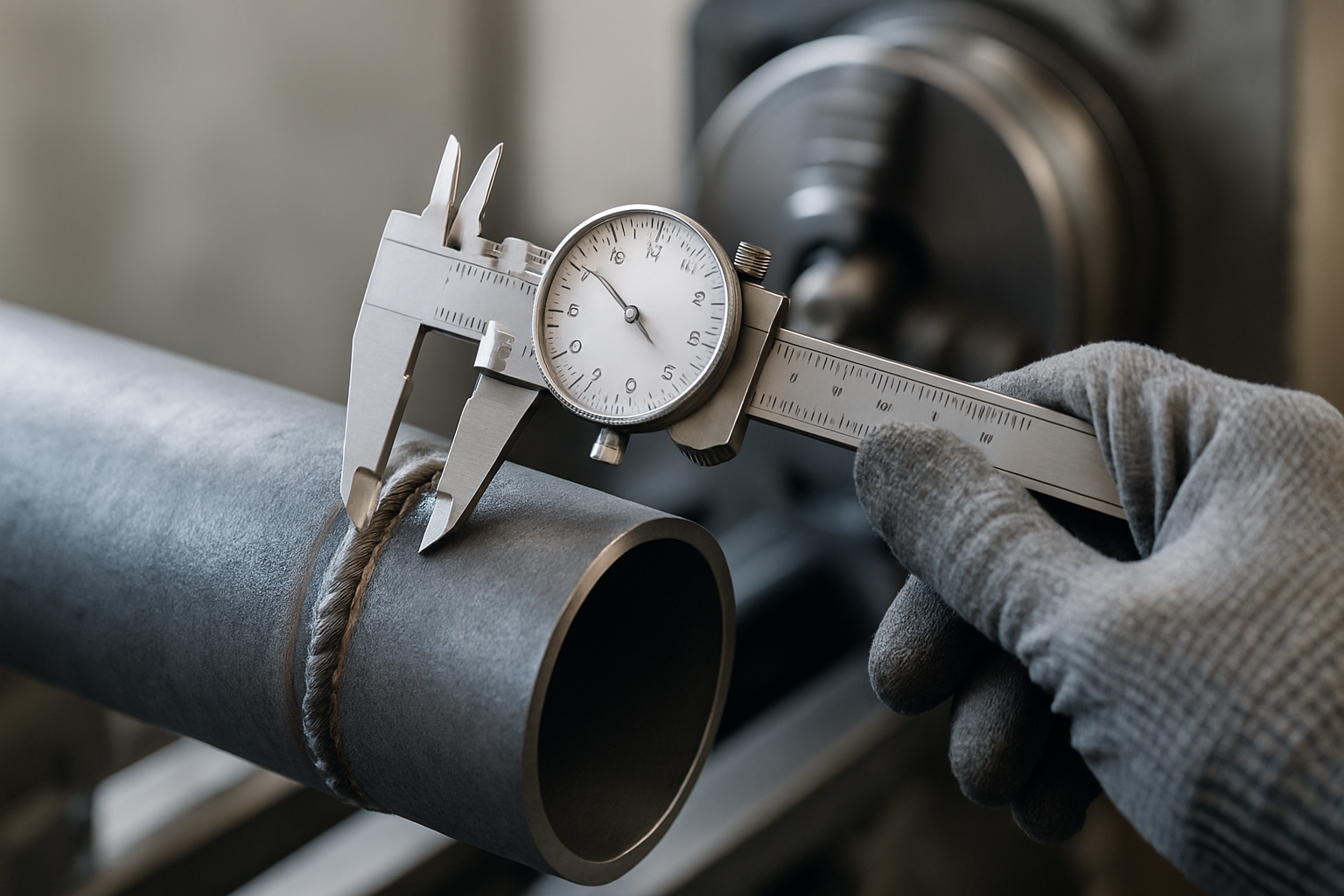
A tube grade alone does not define the product you will receive. The purchase order should state the governing specification, dimensions, manufacturing route, finish and test requirements. For austenitic grades used in exchanger service, ASTM A213 / ASME SA213 is commonly specified for seamless boiler, superheater and heat exchanger tubes, while ASTM A249 covers welded austenitic boiler, superheater, heat-exchanger and condenser tubes. ASTM A269 may appear for general service tubing, but many EPCs prefer A213 or A249 for exchanger duty because the application is explicit.
Our quality team rejects roughly 1 in 40 incoming heats on the same criterion.
For Duplex 2205 exchanger tubing, ASTM A789 / ASME SA789 is the usual baseline. TEMA standards should be referenced for exchanger construction details, and the project may also call for ASME Section VIII design compliance through the equipment fabricator. On the testing side, 100% eddy current or hydrostatic testing is common, but critical service may justify both, plus PMI, intergranular corrosion testing, ferrite checks for duplex, flattening or flaring tests, and customer witness of dimensional inspection. Surface finish matters too, especially where fouling or crevice initiation is a concern.
We recommend process engineers and buyers align on a short technical checklist before RFQ issue:
- Specify exact grade and standard, for example ASTM A213 TP316L or ASTM A789 UNS S32205.
- Define OD, wall thickness, length, straight or U-bend, and minimum bend radius where applicable.
- State testing requirements: eddy current, hydrotest, PMI, IGC test, ferrite range, hardness or third-party inspection.
- Confirm end condition, finish, packing method and traceability requirements by heat number.
- Check compatibility with tube-sheet material, expansion method, seal weld procedure and cleaning chemistry.
Lifecycle cost beats first cost when exchanger uptime is the real KPI
The cheapest tube is rarely the least expensive exchanger over a five-year operating window. A modest upgrade from 304 to 316L can avoid premature pitting in chloride-bearing utility water. A move from 316L to Duplex 2205 can eliminate recurring tube plugging campaigns in warm marine service. Likewise, selecting 321 for elevated-temperature duty can prevent sensitization-related failures that only appear after repeated thermal cycles. These are not theoretical gains. They show up as avoided shutdown hours, lower retubing frequency, fewer process upsets and better inspection results.
In our experience, the best material decisions come from combining corrosion data with fabrication reality. If the service is mild and controlled, 304 remains a rational value choice. If chlorides are present but not extreme, 316L often gives the best balance of cost and resistance. If elevated temperature and sensitization risk dominate, 321 is the specialist grade. If chlorides, strength and 0% claim rate on 2024-2025 nuclear-spec shipments under pressure all matter, Duplex 2205 usually moves to the front of the line. The right answer is the grade that survives your actual operating envelope, not the one that looks cheapest on a spreadsheet.
Key Takeaways
Material selection for heat exchanger tubes should be driven by the real service envelope: chemistry, temperature, fabrication method and maintenance practice. A disciplined specification process prevents expensive surprises after startup.
Engineering note from our metallurgist: the ASTM minimum isn't the same as the practical minimum.
- Choose 304 for clean, low-chloride, moderate-temperature service where economy and availability are priorities.
- Move to 316L when chloride-bearing water or mildly aggressive process streams make 304 too vulnerable to pitting and crevice attack.
- Use 321 for elevated-temperature exchanger duty where sensitization resistance after welding or thermal exposure is a key requirement.
- Select Duplex 2205 for aggressive chlorides, higher pressure and longer lifecycle performance, but only with proper fabrication and testing controls.