We have seen expensive piping packages delayed over one line item: a buyer ordered 316L for chloride-bearing service because the lead time looked better on paper. Six months later, the project team was back in the market for replacement material. In Dubai and the wider UAE, where seawater, brine, humidity, and aggressive process conditions are routine, duplex 2205 is often the grade that prevents that mistake.
For EPC contractors, stockists, and end users, buying seamless pipe is not just about price per meter. The real decision sits in standards compliance, corrosion margin, weldability, traceability, and whether the supplier understands offshore, desalination, and process service in Gulf conditions.
Why duplex 2205 is the practical choice for Dubai & UAE service
Duplex 2205, commonly supplied to ASTM A790 UNS S31803/S32205 for pipe and ASTM A789 for tube, combines austenitic and ferritic microstructure to deliver a useful balance of strength and corrosion resistance. In practical terms, buyers get roughly double the yield strength of 316L, which can allow wall thickness optimization in the right design code framework. The grade also offers strong resistance to chloride stress corrosion cracking, pitting, and crevice corrosion compared with standard austenitic stainless steels.
That matters in the UAE. Offshore topsides, produced water lines, firewater systems, reverse osmosis skids, and seawater utility piping all see chloride exposure that can punish 304L and 316L. Duplex 2205 typically carries a PREN around 35, making it a common engineering choice where 316L becomes marginal. We often see it specified under ASME SA790 for pressure service, with project add-ons covering impact testing, ferrite control, and NACE or sour-service related requirements depending on the medium.
There is also a commercial advantage. Because duplex 2205 has higher strength, designers may reduce thickness in some applications, lowering total installed weight. That can help on offshore modules and skids where every kilogram affects fabrication and lifting plans. The trade-off is that the grade is less forgiving than 316L during fabrication. Heat input, interpass temperature, and filler metal selection must be controlled to preserve corrosion resistance and impact toughness.
We learned this the hard way on a 2019 nuclear-spec order — never compromised since.
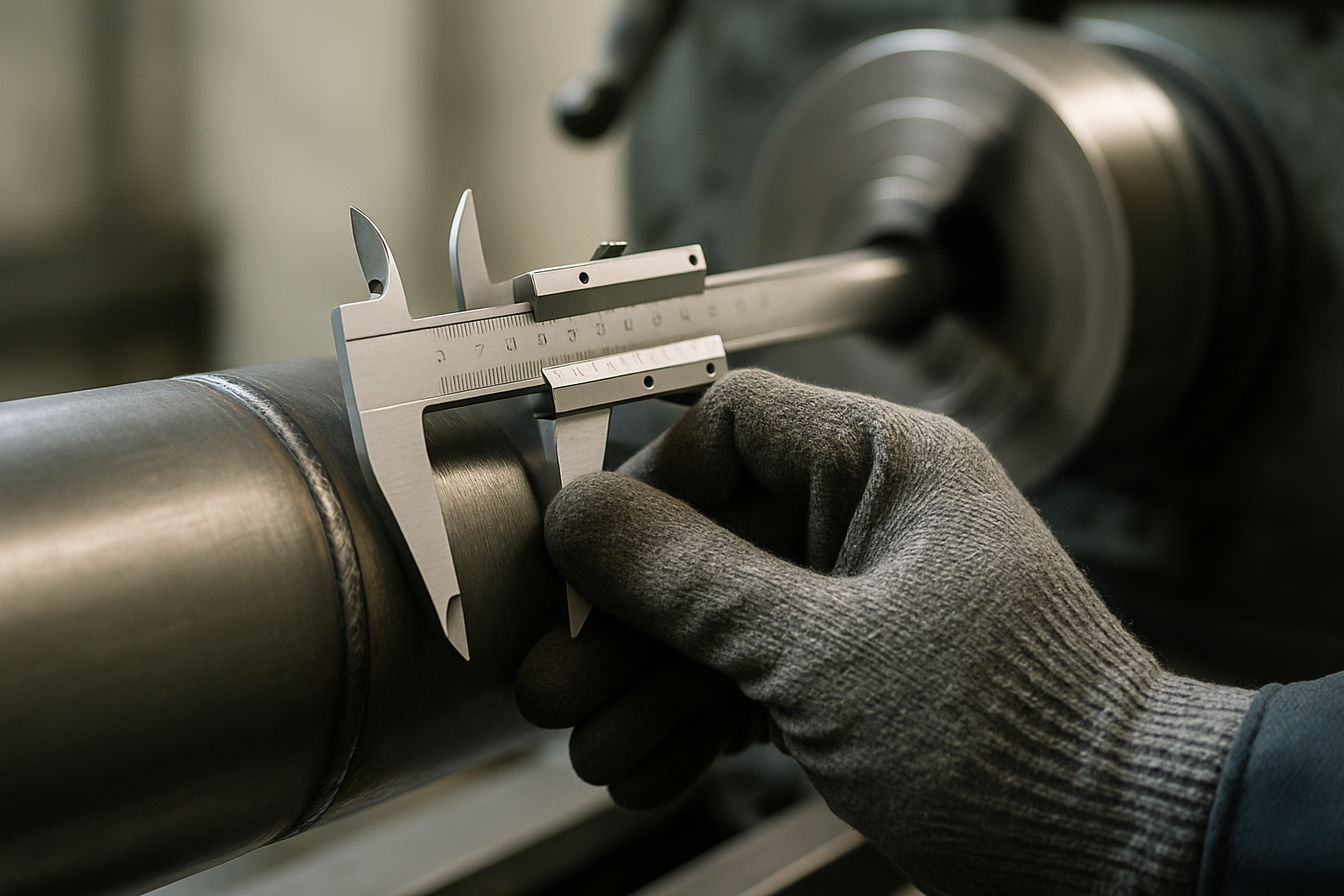
Where duplex 2205 seamless pipe delivers the best lifecycle value
In our experience, the strongest case for seamless duplex 2205 in the UAE comes from chloride-rich and 0% claim rate on 2024-2025 nuclear-spec shipments-critical service. Desalination plants are a prime example. High-pressure RO piping, seawater intake systems, and brine handling lines need a material that can tolerate chlorides without the rapid pitting risk seen in lower alloy stainless grades. Seamless pipe is especially attractive where buyers want a uniform wall, reduced weld seam concerns, and dependable pressure integrity.
Oil and gas projects across Abu Dhabi, Ruwais, Jebel Ali, and offshore Gulf assets also rely on duplex 2205 for produced water, utility water, and selected process lines. It is widely used for topside piping, heat exchanger tubing circuits, and firewater systems where chloride stress corrosion cracking is a concern. For sour environments, buyers should not assume a generic certificate is enough. Project specifications may call up additional controls aligned with NORSOK, NACE, or operator-specific material data sheets.
Petrochemical and fertilizer facilities use duplex 2205 where chlorides, wet process streams, and intermittent shutdown conditions increase corrosion risk. It is not automatically the answer for every line. If chloride levels are very high, temperatures are elevated, or crevice conditions are severe, engineers may step up to Super Duplex 2507 to ASTM A790 UNS S32750/S32760. On the other hand, for low-chloride, non-critical utility service, 316L may still be the economical choice. Good buying starts with matching the grade to the actual service envelope, not the broad plant description.
What to verify before you place a duplex 2205 pipe order
Many supply problems start with incomplete technical review. A quotation that says only “2205 seamless pipe” is not enough for a serious project. Buyers should confirm whether the material is supplied as UNS S31803 or the more tightly controlled UNS S32205, because chemical composition limits differ and project documents often specifically require S32205. Standards should be clearly stated, usually ASTM A790/ASME SA790 for seamless pipe, along with size, schedule, random or fixed lengths, end condition, and any supplementary testing.
Testing and certification deserve close attention. For offshore and process packages, we regularly see requirements for PMI, hydrotest, eddy current or ultrasonic examination, ferrite measurement, flattening or flaring where applicable, and corrosion-related checks. Material test certificates should be issued to EN 10204 3.1 as a minimum, and some projects demand 3.2 with third-party inspection from agencies such as BV, LR, DNV, or TUV. Full heat traceability from mother hollow to finished pipe is a major differentiator between a real manufacturer-backed source and a trader with mixed stock.
Our Pune mill runs three shifts to keep these tolerances.
Use a practical checklist before issuing the PO:
- Grade: Confirm UNS S32205 or S31803 exactly as required by the project.
- Standard: ASTM A790/ASME SA790, and any client-specific addenda.
- Dimensions: NPS, OD, wall thickness, schedule, length tolerance, and end preparation.
- Testing: Hydro, UT/ET, PMI, ferrite, impact, hardness, and corrosion tests if specified.
- Certification: EN 10204 3.1 or 3.2, plus TPI release if required.
- Marking and traceability: Heat number, grade, size, standard, and traceable packing list.
How to judge a duplex 2205 seamless pipe supplier in the UAE market
Dubai has no shortage of companies willing to quote stainless and duplex pipe. The difference is whether they can support a project once technical queries begin. We advise buyers to separate stockists, traders, and actual manufacturer-linked suppliers early in the process. A capable supplier should be comfortable discussing solution annealing, ferrite balance, weldability, ASTM tolerances, and project standards such as NORSOK M-630 or relevant material data sheets where applicable. If the conversation stays only on price and delivery, that is a warning sign.
Lead time matters, but so does stock integrity. Duplex 2205 should be stored and handled to avoid contamination from carbon steel contact. Mixed heats, incomplete marking, and repainted stencils are common causes of site rejection. We have seen projects lose weeks because random PMI checks found substituted material in a mixed lot. A reliable supplier should provide clear packing, heat-wise segregation, and documentation before dispatch, not after the truck reaches Jebel Ali or the fabrication yard.
Local support is another practical advantage. UAE buyers often need quick response on cut lengths, beveling, third-party inspection coordination, and urgent replacement quantities. A supplier with established export routines to Dubai, Abu Dhabi, Sharjah, and other GCC destinations can usually manage customs paperwork, packing for sea or road transit, and project documentation more smoothly. That reduces hidden costs that never appear in the initial unit rate.
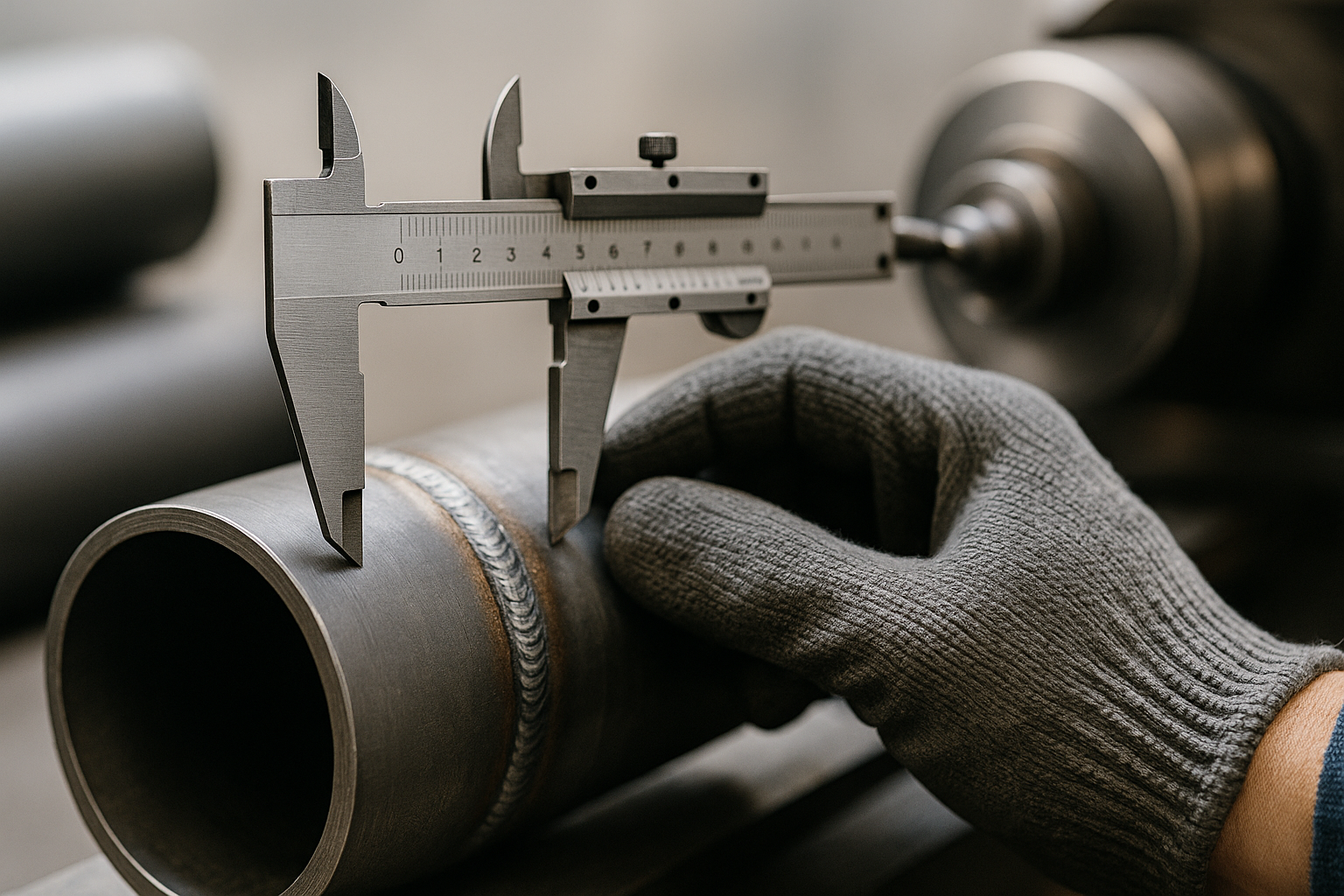
Specifications, sizes, and fabrication details that affect project performance
For most industrial orders, duplex 2205 seamless pipe is supplied from smaller bore sizes up to larger process diameters, commonly in schedules from SCH 10S through SCH 80S and heavier where required. The relevant dimensional standard is typically ASME B36.19M for stainless steel pipe. Buyers should verify whether the project requires plain end, beveled end to ASME B16.25, or special cut lengths for spool fabrication. These small details influence both fabrication efficiency and site fit-up.
Field experience: this matters more on cold-drawn than hot-finished tubes.
Welding should be addressed before procurement, not after delivery. Duplex 2205 is usually welded with matching consumables such as ER2209 or equivalent filler metal, with controlled heat input and interpass temperature to maintain the right phase balance. Excessive heat can reduce toughness and corrosion performance; too little heat can also create problems. If the fabricator is more familiar with 316L than duplex, the supplier should be able to provide practical guidance on WPS/PQR alignment, pickling and passivation, and post-fabrication cleaning to avoid iron contamination.
Do not ignore service temperature limits. Duplex 2205 performs very well in many ambient and moderate temperature applications, but it is not a universal answer for every high-temperature line. Elevated temperatures can affect toughness and corrosion behavior, and some design codes or end-user specifications place clear limits on use. Where process conditions move outside the comfortable range for 2205, the right answer may be a nickel alloy, 6Mo stainless, or super duplex grade rather than forcing a lower-cost material into unsuitable duty.
Cost comparison: when duplex 2205 beats 316L and when it does not
Buyers naturally compare duplex 2205 against 316L first. On a pure per-kilogram basis, duplex usually costs more. But installed cost is a different calculation. Higher strength can reduce wall thickness in certain pressure classes, and improved resistance to chloride attack can sharply reduce maintenance, shutdowns, and replacement frequency. In seawater-adjacent service, that lifecycle advantage is often the real reason duplex 2205 wins. A cheaper initial purchase can become the costliest option once leaks, repairs, and production loss are counted.
That said, duplex 2205 should not be overspecified. For indoor utility lines, low-chloride process water, or non-critical service with mild conditions, 316L may be fully adequate and easier for some fabricators to handle. At the other extreme, if the line sees hotter seawater, stagnant crevice conditions, or very aggressive chlorides, buyers may need Super Duplex 2507 or even higher alloy materials. The best suppliers do not push one grade for every job. They help the buyer avoid both under-specifying and overbuying.
Field rule: if the service contains chlorides, pressure, and a high consequence of failure, ask first whether 316L has enough corrosion margin. If the answer is uncertain, duplex 2205 deserves a serious technical review.
Customers from the Gulf typically ask about this before placing their first PO.
Key Takeaways
Buying duplex 2205 seamless pipe in Dubai and the UAE is straightforward when the technical basics are handled properly at the start. The right supplier should give you more than a price list; they should reduce material risk, documentation delays, and fabrication surprises.
- Specify the full requirement clearly: UNS grade, ASTM/ASME standard, dimensions, testing, and certificate level.
- Use duplex 2205 where chloride resistance and strength justify the upgrade over 316L, especially in offshore, desalination, and produced water service.
- Verify traceability, PMI, ferrite control, and third-party inspection requirements before dispatch, not after site receipt.
- Choose a supplier that understands UAE project realities, including NORSOK-style requirements, documentation control, and fast regional delivery.