We have seen this mistake more than once: a project team saves 18% on stainless seamless pipe by switching from TP316L to TP304L, only to face tea staining, pitting, and unplanned replacement within the first operating cycle. On paper, both grades meet ASTM A312 and both are low-carbon austenitic stainless steels. In service, especially where chlorides are involved, they do not behave the same.
If you are specifying seamless pipe for process lines, utility systems, marine service, or fabricated skids, the choice between TP316L and TP304L should be made on environment, temperature, fabrication method, and lifecycle cost—not just initial tonnage price. Below is the practical comparison we use when advising EPCs, OEMs, and maintenance teams.
ASTM A312 Basics: What TP316L and TP304L Really Mean for Seamless Pipe Buyers
ASTM A312 covers seamless, welded, and heavily cold-worked austenitic stainless steel pipe intended for high-temperature and general corrosive service. In most industrial RFQs, buyers focus on the grade callout—TP304L or TP316L—but the full specification matters just as much. You should also confirm dimensions to ASME B36.19M or B36.10M as applicable, testing requirements, heat treatment condition, NDE, hydrotest, and any supplementary requirements tied to the end use. For pressure piping, the material often flows into ASME B31.3 design rules, and for oil and gas projects additional client specifications may reference NORSOK or company corrosion control standards.
TP304L corresponds to UNS S30403. TP316L corresponds to UNS S31603. The “L” means low carbon, with carbon limited to 0.030% max, which improves weldability and reduces the risk of sensitization in the heat-affected zone. Both are austenitic stainless grades with good toughness and formability, but TP316L includes 2.0-3.0% molybdenum. That molybdenum addition is the practical dividing line in many service environments because it significantly improves resistance to pitting and crevice corrosion in chloride-bearing media.
From a procurement standpoint, do not stop at “ASTM A312 seamless.” Ask for MTRs showing actual chemistry, especially Cr, Ni, and Mo ranges, and verify solution annealed condition. For critical service, we also recommend confirming PMI, surface finish, and whether the pipe will be supplied plain end, beveled, or with customer-specific end protection and cleanliness requirements. Those details affect installation quality as much as the grade itself.
Our quality team rejects roughly 1 in 40 incoming heats on the same criterion.
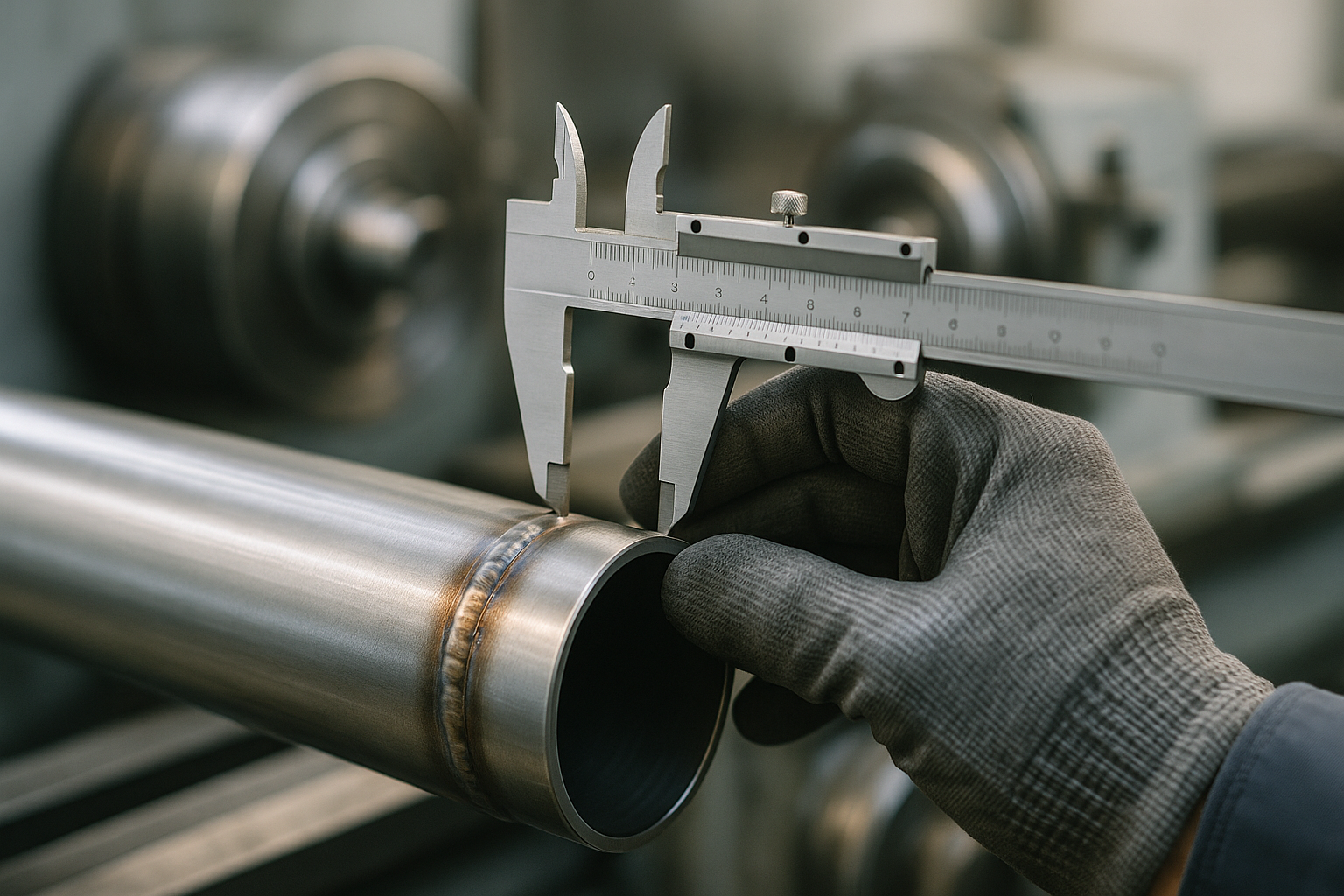
Corrosion Resistance: Where TP316L Earns Its Premium
The clearest reason to choose TP316L over TP304L is chloride exposure. TP304L performs well in many clean atmospheric, fresh water, and mild process environments, but it is more vulnerable to localized attack when chlorides are present. That includes coastal air, brackish water, cooling water drift, CIP systems using chloride-bearing cleaners, and splash zones around marine or desalination facilities. We have seen TP304L look acceptable at handover and then develop pitting under deposits or insulation far earlier than expected.
TP316L resists pitting and crevice corrosion better because of its molybdenum content. In practical terms, this gives engineers more margin in environments where chlorides are intermittent, concentrated in crevices, or combined with elevated temperature. It is not a seawater miracle grade—continuous raw seawater service may require duplex stainless, 6Mo, or titanium depending on velocity and temperature—but TP316L is a much safer choice than TP304L for coastal plants, offshore topsides utility lines, and chemical systems with moderate chloride contamination.
Acid service also needs nuance. TP316L generally outperforms TP304L in many organic and inorganic chemical environments, including acetic and phosphoric service under suitable concentrations and temperatures. But neither grade should be selected by habit for aggressive reducing acids or chloride-rich acid streams without a proper corrosion review. In our experience, the right question is not “Which grade is better?” but “What is the exact medium, chloride ppm, temperature, oxygen content, and cleaning regime?” That is how you avoid expensive stainless failures.
Fabrication and Welding: Why the Low-Carbon “L” Grades Matter in Shop and Field Work
Both TP304L and TP316L are favored for fabricated piping because the low-carbon chemistry helps maintain corrosion resistance after welding. Under ASTM A312, seamless pipe in these grades is typically supplied solution annealed, which restores austenitic structure and dissolves chromium carbides formed during processing. During fabrication to ASME B31.3 systems, the low carbon level reduces the risk of sensitization in the heat-affected zone, especially when multiple weld passes or site fit-up delays are involved.
For welding consumables, fabricators commonly use ER308L or E308L for TP304L and ER316L or E316L for TP316L, depending on process and code requirements. Purge quality matters. Poor root shielding can destroy the corrosion resistance you paid for, particularly in hygienic, pharmaceutical, semiconductor, and high-purity water applications. We often remind buyers that a correctly selected grade can still fail early if weld discoloration, heat tint, iron contamination, or rough internal finish are left untreated.
Our Pune mill runs three shifts to keep these tolerances.
TP316L also tends to be preferred where post-fabrication cleaning and passivation are critical, because the service environment is usually more corrosive to begin with. If the system will be pickled and passivated, cleaned to a specified Ra finish, or inspected by borescope, note that in the purchase order. Material grade and fabrication quality should be treated as one package. A premium alloy with poor weld practice is still a poor installation.
Cost vs Lifecycle Value: When TP304L Saves Money and When It Does Not
On current industrial projects, TP316L seamless pipe often carries a noticeable premium over TP304L because of higher nickel and molybdenum content. Depending on size, wall thickness, market conditions, and origin, the difference may land in the 15-25% range, and sometimes more. That makes TP304L attractive for large-bore utility systems, architectural runs, and non-chloride process service where corrosion risk is genuinely low. There is nothing wrong with choosing TP304L when the environment supports it.
The problem starts when buyers use material cost as the only filter. A stainless pipe failure is rarely just the cost of replacement spool pieces. You also have shutdown exposure, insulation removal and reinstatement, scaffolding, NDT, flushing, validation, and in some sectors product contamination risk. In a food, pharma, or chemical plant, one corrosion event can erase the original material savings many times over. We have seen owners spend more on one emergency outage than they would have spent upgrading the entire line to TP316L at the start.
That is why we recommend a lifecycle view. If the line is exposed to washdown chemicals, coastal humidity, chlorides under insulation, or uncertain operating discipline, TP316L is often the lower-risk and lower-total-cost choice. If the service is indoor, dry, non-chloride, and well controlled, TP304L may be entirely adequate. Good specification is not about buying the most expensive grade. It is about buying enough corrosion resistance, and no less.
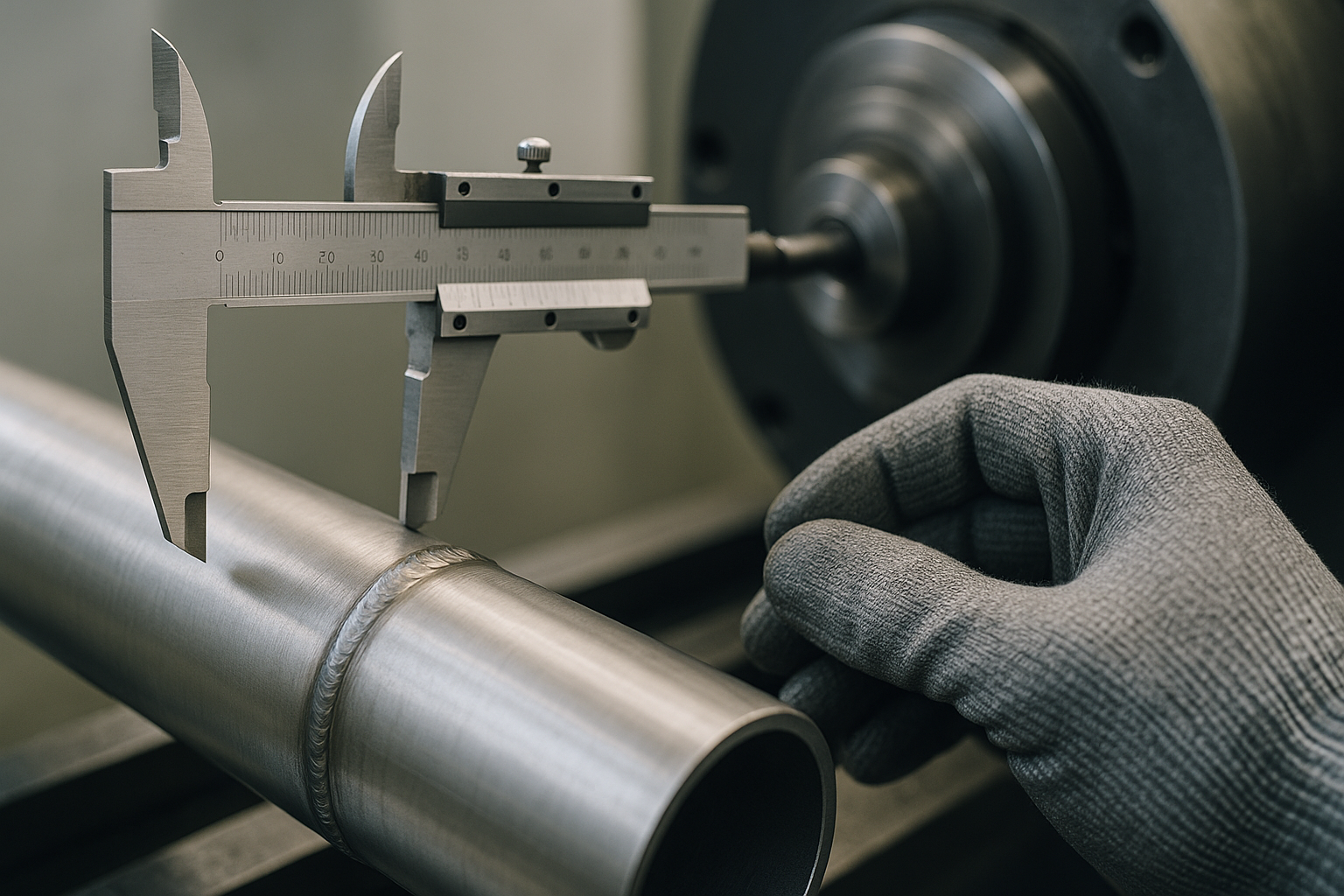
Service-by-Service Guidance: How We Typically Specify TP316L or TP304L
When customers ask us for a quick recommendation, we start with service conditions rather than industry labels. “Food plant” or “water treatment” is too broad to be useful. A food plant may have non-acidic product lines where TP304L is standard, but the same facility may need TP316L for brine, aggressive CIP chemicals, or coastal external exposure. Likewise, a water treatment package may run fine in TP304L with potable fresh water, yet require TP316L where chlorides rise, disinfectant chemistry changes, or splash and crevice conditions are expected.
In our 51 years at Stancor Tubular Products Pvt. Ltd., we've seen this come up often.
Here is the practical screen we use before finalizing a grade under ASTM A312:
- Choose TP304L for clean fresh water, low-chloride utility service, compressed air headers, non-aggressive food process lines, and indoor atmospheric exposure with good housekeeping.
- Choose TP316L for coastal plants, marine atmospheres, brackish water, chloride-bearing process streams, pharmaceutical systems with aggressive cleaning regimes, and chemical service where pitting risk is elevated.
- Escalate beyond both grades for continuous seawater, high-chloride/high-temperature service, severe crevice conditions, or where NORSOK-driven offshore corrosion allowances point toward duplex or higher alloys.
- Verify fabrication details such as weld purge, passivation, internal finish, and insulation design, because corrosion often starts at workmanship defects rather than base metal alone.
We also encourage buyers to consider external corrosion, not just internal media. A line carrying benign condensate can still fail externally if installed under insulation in a chloride-laden coastal environment. Corrosion under insulation is one of the most common reasons owners later wish they had specified TP316L. Material selection should reflect the full operating envelope, including shutdown, cleaning, weathering, and maintenance realities.
Standards, Documentation, and Ordering Details That Prevent Expensive Surprises
A good grade decision can still be undermined by a weak purchase specification. For ASTM A312 seamless pipe, define the exact grade, size range, schedule, and end condition. State whether the pipe must comply with ASME B36.19M dimensions, whether hydrostatic or nondestructive electric testing is required, and whether MTRs to EN 10204 3.1 are needed. For projects in oil and gas, add any client-specific restrictions on sulfur, ferrite, hardness, or sour-service related documentation even if the base material itself is not a CRA for severe H2S duty.
If the pipe will be fabricated into pressure systems, tie the purchase order to the project code basis. ASME B31.3 process piping, API package requirements, or NORSOK M-630 style qualification expectations can affect how material traceability and testing are handled. We often see RFQs that say only “SS 316L seamless pipe,” which leaves too much room for interpretation. Better practice is to specify ASTM A312 TP316L seamless, solution annealed, dimensions per ASME B36.19M, with PMI, 3.1 certification, and any surface cleanliness or passivation requirements stated up front.
Finally, ask your supplier for application input, not just price. A manufacturer that understands corrosion, fabrication, and code compliance can help you avoid over-specifying expensive alloy or under-specifying a grade that will fail in service. In our experience, the best outcomes come when engineering, procurement, and the pipe mill align before the PO is released, not after the first corrosion report appears.
Engineering note from our metallurgist: the ASTM minimum isn't the same as the practical minimum.
Key Takeaways
TP304L and TP316L both have a place under ASTM A312. The right choice depends on chloride exposure, fabrication quality, operating temperature, and the true cost of failure in your plant.
- Use TP304L where service is clean, low-chloride, and well controlled; it is often the economical and technically sound option.
- Use TP316L where chlorides, coastal exposure, aggressive cleaning, or crevice conditions increase pitting risk.
- Do not specify by grade alone; include ASTM A312 details, ASME dimensional standard, testing, certification, and fabrication requirements.
- If service includes continuous seawater or severe chloride conditions, review duplex or higher-alloy alternatives instead of forcing a 304L/316L decision.